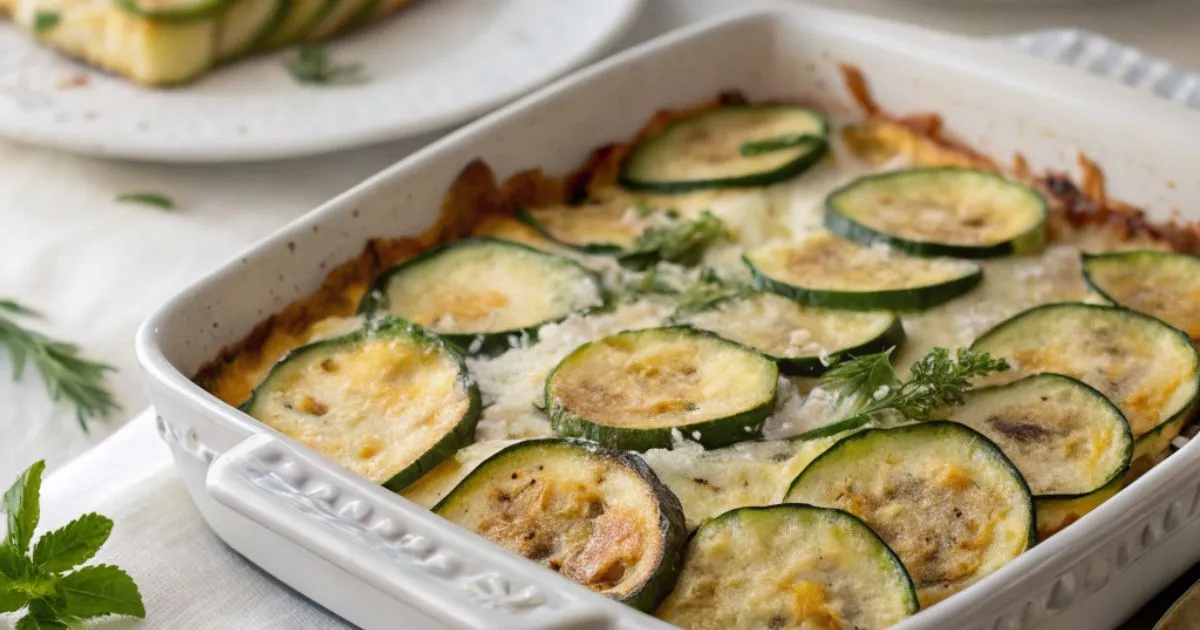
Did you know that the average zucchini is composed of approximately 95% water? This biological fact is exactly why most low-carb bakes end up as a soggy, unappealing mess on your plate. If you have been searching for a zucchini casserole keto recipe that maintains a creamy texture without the dreaded “vegetable soup” effect at the bottom of the dish, you are in the right place. In this guide, we leverage culinary science and macro-optimization to transform a humble summer squash into a decadent, high-fat masterpiece that fits perfectly within your ketogenic lifestyle.
Looking for more easy keto ideas?
Grab my free eBook (21 Free Keto Recipes) and discover delicious low-carb meals you can make at home!
The Science of the Perfect Zucchini Casserole Keto
Before we dive into the oven, we must understand the “osmotic draw.” When you cook zucchini, the cell walls break down, releasing that 95% water content into your sauce. If you don’t manage this water, your heavy cream and cheese will never emulsify, resulting in a separated, oily liquid. Our professional method utilizes NaCl (sodium chloride) to pre-extract this moisture, ensuring that every bite of your zucchini casserole keto is dense, rich, and structurally sound.
What is needed?
To create this gold-standard keto dish, you will need ingredients that prioritize high-quality fats and minimal glycemic impact.

Zucchini Casserole Keto: The best 7 Easy Steps
Ingredients
Equipment
Method
Precision Slicing and Uniformity
Cut your zucchinis into rounds that are 1/4 inch thick to start. Uniformity isn’t just for looks; it makes sure that every piece of squash cooks at the same rate. If the slices are different thicknesses, the thinner ones will get mushy while the thicker ones will stay crunchy. Use a mandoline for the best results, but please wear hand protection!The Osmotic Salt Sweat
Put your slices in a big colander and cover them with a lot of coarse sea salt. The salt makes a difference in osmotic pressure, which pulls water out of the plant cells. Give this dish a rest for ten minutes. You will observe drops of water developing on the surface. This is the “sneaky water” that often destroys casseroles.The Moisture Evaporation Sear
With a paper towel, pat the zucchini slices dry. Put 1 tablespoon of butter in a large skillet and heat it over medium-high heat. Sear the zucchini in groups for 60 seconds on each side. We don’t want to totally cook them; we only want to get rid of the extra moisture on the surface and make them a little caramelized, which gives the final keto zucchini casserole a nutty flavor.Engineering the Keto Emulsion Base
Mix the heavy cream and cream cheese together in a small saucepan over medium heat. As the cream cheese melts, use a whisk to mix it together. This makes an emulsion that stays stable. Add the ground black pepper, onion powder, and garlic. You stop the lipids, which are fats and oils, from separating during the high-heat bake by thickening the sauce on the stove beforehand.The Flavor Infusion and Layering
Use the rest of the butter to grease a 9×9-inch baking dish. Put half of the grilled zucchini on top of the other half, then pour half of the cream sauce over it. Add one cup of cheddar cheese on top. Do the layer again. This “staggered layering” makes sure that each slice of zucchini is covered with fat, which keeps the texture of the vegetable safe.The Low-Carb Crunch Factor
In a small bowl, mix the crushed pork rinds with the grated parmesan and fresh thyme. Sprinkle this mixture evenly over the top. Most recipes use flour-based breadcrumbs, which are made from ground flour and can add 15g of carbs per serving. Our pork rind and parmesan “crust” adds 0g of net carbs while providing a superior crunch.The Maillard Reaction Bake
Bake at 400°F (204°C) for 15 to 20 minutes. We use a higher temperature for a shorter duration to trigger the Maillard reaction on the cheese crust without over-softening the zucchini. Once the top is bubbling and deep golden brown, remove it from the oven and let it rest for 5 minutes. This rest period allows the sauce to “set” around the zucchini.

Substitutions:
- Dairy-Free: Use nutritional yeast and full-fat canned coconut milk in place of cream and cheese.
- Nut-Free Crunch: Use a combination of almond flour and hemp hearts if you don’t like pork rinds.
Nutritional Information
Understanding your macros is the cornerstone of the ketogenic diet. Below is the breakdown per serving (based on 6 servings per dish).
| Nutrient | Amount Per Serving |
|---|---|
| Total Calories | 345 kcal |
| Total Fat | 31 g |
| Protein | 12 g |
| Total Carbohydrates | 6 g |
| Dietary Fiber | 2g |
| Net Carbohydrates | 4g |
The math for net carbs is straightforward but vital for your glucose levels:
Net carbs = 6 g (total) − 2 g (fiber) = 4 g
At only 4 grams of net carbs, this meal allows you to stay well within the typical 20–50 g daily keto limit even if you go back for seconds.
Enjoyed this recipe?
Don’t miss my free eBook (21 Free Keto Recipes) with even more low-carb meals to try!
Healthier Alternatives for the Recipe
While this recipe is optimized for fat-burning, you can adjust it based on your specific health goals:
- Anti-Inflammatory Boost: Add 1 tsp of turmeric and a pinch of black pepper to the cream sauce. Turmeric’s curcumin is fat-soluble, making this cheesy casserole the perfect delivery vehicle for its anti-inflammatory benefits.
- Leaner Keto: If you are watching total calories, replace half of the heavy cream with unsweetened almond milk and add 1/4 tsp of xanthan gum to maintain the thickness.
- Protein-Packed: Fold in 1 lb of browned ground beef or crumbled bacon between the layers to turn this side dish into a high-protein main course.
Serving Suggestions

This zucchini casserole keto is incredibly versatile. For a sophisticated dinner, serve it alongside a reverse-seared ribeye steak or lemon-herb roasted chicken.
If you want to keep the meal light, pair it with a crisp arugula salad tossed in a vinaigrette of olive oil and lemon juice. The acidity of the lemon cuts through the richness of the cream sauce beautifully. Personally, I love serving this at brunch topped with a single poached egg—the runny yolk blends with the cheese sauce for an unforgettable experience.
Things You Shouldn’t Do
- Don’t skip the salt/drain step: if you do, your casserole will be sitting in a pool of zucchini juice by the time you serve it.
- Don’t use “light” cream or milk: Keto depends on high-fat ratios. Light products often contain thickeners or sugars that increase the carb count and will make the sauce watery.
- Don’t overbake: Zucchini turns into a puree very quickly. If you see the cheese is browned, take it out, even if you feel it hasn’t been in long enough.
Storing Tips for the Recipe
- Refrigeration: Keep in a container that won’t let air in for up to four days. Use an oven or air fryer set to 350°F to crisp up the topping again as you heat it up.
- Freezing: This dish is best eaten fresh. However, if you must freeze it, do so before the final bake. Thaw completely and then bake at 400°F.
- Meal Prep: You can slice and salt the zucchini a day before you need it. Put the “sweated” and dried slices in a Ziploc bag with a dry paper towel to keep them fresh.
Conclusion
Mastering the zucchini casserole keto is a rite of passage for any serious low-carb cook. By focusing on moisture control and the science of stable emulsions, you can enjoy a comforting, cheesy meal that supports your metabolic health. This recipe demonstrates that maintaining ketosis doesn’t require sacrificing flavor or texture. Tonight, try this seven-step strategy and share your experience controlling moisture in the comments below! Because no one should have to eat soggy zucchini, don’t forget to share this with your keto community.
FAQs
1. Can I use yellow summer squash instead?
Absolutely. Yellow squash has a nearly identical water content and nutritional profile to zucchini. They can be used interchangeably or mixed for a beautiful color contrast.
2. Why did my sauce separate into oil and water?
This typically occurs when using a low-fat dairy substitute or when the heat is set too high. To correct it, make sure that before adding the heavy cream and cream cheese to the veggies, you are mixing them into a smooth base.
3. Is zucchini really keto-friendly?
Yes. One cup of zucchini has about 2 to 3 grams of net carbs, making it one of the most versatile vegetables for a low-carb diet.
4. What is the best way to get the top extra crispy?
For the last 60 to 90 seconds of cooking, turn your oven on to the “Broil” setting. Watch it closely since the pork rinds can quickly turn from golden to burned.
5. How should leftovers be reheated?
Reheat in a 350°F (175°C) oven or air fryer until heated through, which also re-crisps the topping. The microwave works in a pinch, but the crust will soften.
Tasted it? Let us know below!
[…] matters: raw nuts taste flat and slightly bitter inside a sweet loaf. If you love nutty loaves, my date…
[…] Lemon zest, garlic, and oregano season boneless thighs that roast alongside broccoli on one pan. The broccoli goes in…
[…] during the week. For ready-made ideas, our high protein high fiber meals collection and these quick chicken recipes give…
[…] low-carb bakes end up as a soggy, unappealing mess on your plate. If you have been searching for a zucchini…
[…] That is why the method below is specific about each one. If you like quick chocolate desserts, our 15-minute…