Introduction
Need easy paleo crock pot recipe tips? Are you tired of that dreadful Sunday evening scramble, dreading the week ahead of chaotic meals and unhealthy takeout? Research suggests that individuals who meal prep are 30% more likely to stick to their dietary goals than those who don’t. Imagine reclaiming your evenings, enjoying delicious, healthy meals, and still finding time for what truly matters. This isn’t simply a collection of recipes; it’s meant to change the way you structure your week. Meal prep 7 days of healthy dinners in hours. We’re here to show you how with seven delectable, data-driven paleo crock pot meals designed to save you time and help you eat clean all week. Discover how now and unlock the secrets to stress-free, healthy living.
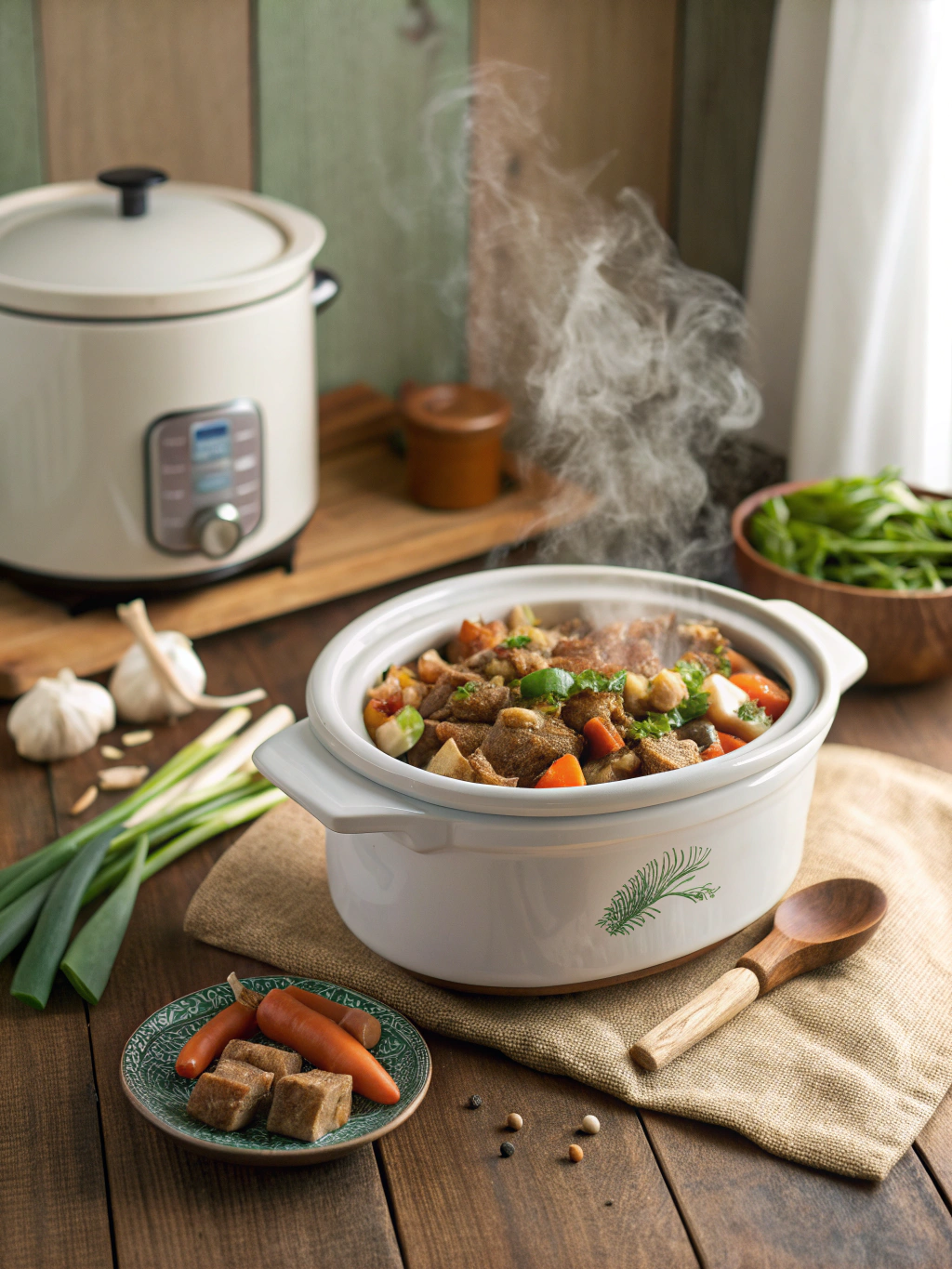
You’ll find seven different paleo slow cooker recipes in this guide, all excellent for batch cooking. Each dish is designed for flavour, nutritional value, and ease of preparation, ensuring your week is packed with delicious, wholesome food.
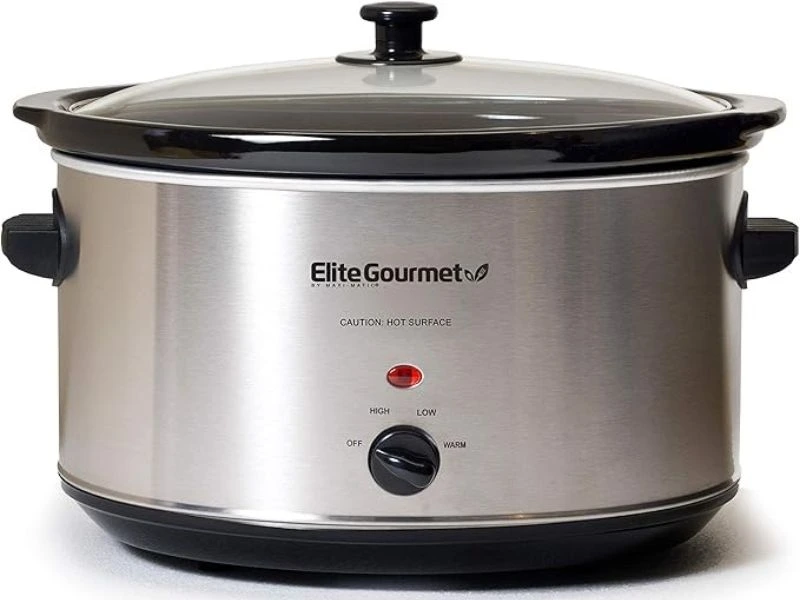
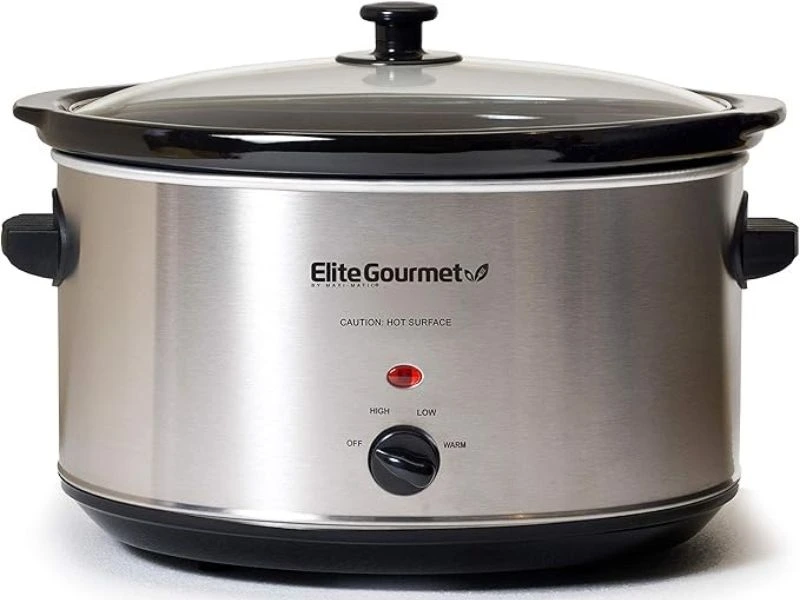
“This post may contain affiliate links for products we love. When you purchase the Maxi-Matic Elite Platinum MST-900V 8.5 Quart Stainless Steel Slow Cooker, Silver, we earn a small commission at no extra cost to you.”
Ingredients List
To ensure that you can successfully prepare seven days of paleo-friendly Crock-pot meals, having a full pantry is crucial. Here’s a complete list of the essential ingredients that you’ll need in your pantry, along with substituting them with a variety of options:
Proteins:
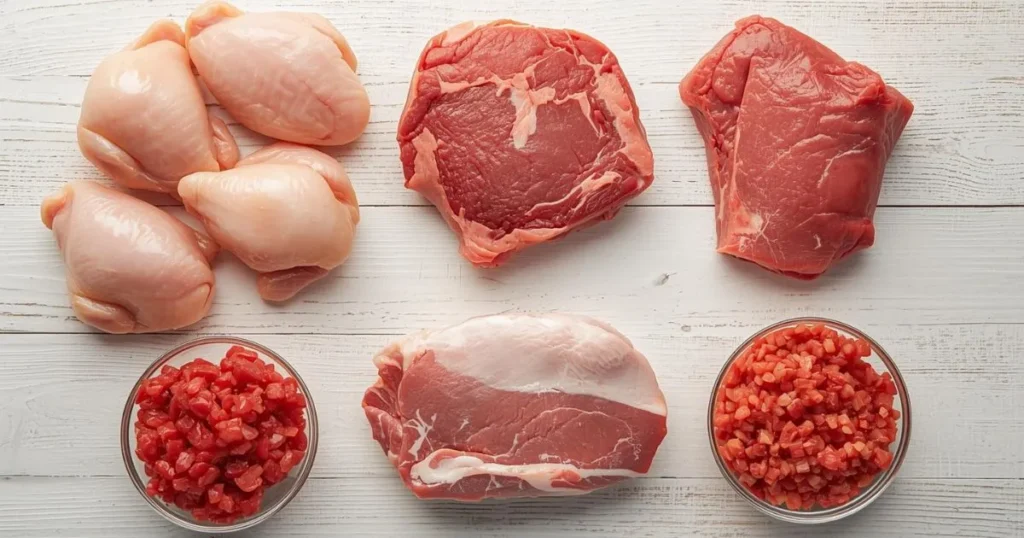
- Breasts and Thighs of Chicken (1.5 kg in total): Opt for free-range, organic chicken if you can. Substitutions: Turkey breast or lean pork shoulder.
- Beef Stewing Steak (1 kg): Choose grass-fed to get the best nutrition. Substitution Lamb flank or bison stewing beef.
- Pork Shoulder (1 kg): Perfect for shredding. Substitutes: Beef Brisket or the chicken’s thighs.
- Ground Beef (500g): 80/20 lean for flavor. Substitution Ground bison or turkey.
Vegetables:
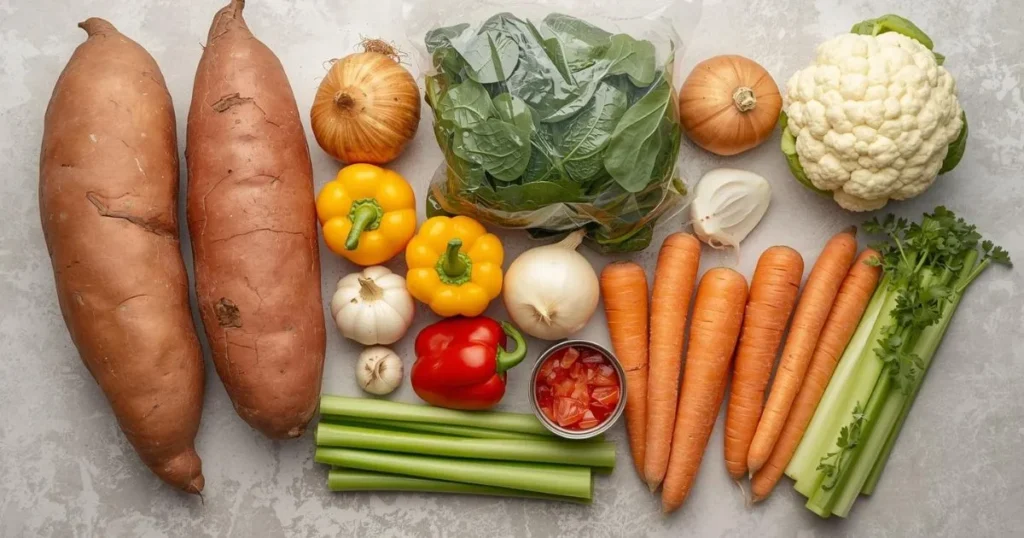
- sweet Potatoes (2 huge): Versatile and rich in nutrients. Substitution Parsnips or Butternut squash.
- Cauliflower (1 large head): Low-carb alternative. Substitutions: Broccoli or courgettes.
- Spinach (200g bag): Wilts down quickly. Substitutions: Kale or Swiss chard.
- Onions (3 large): Base for numerous dishes. Substitution leeks, or shallots.
- Garlic (2 heads): Essential flavour. Substitution Garlic powder (use sparingly).
- Bell Peppers (3 various colors): Adds sweetness and color. Substitutions: Poblano peppers for a little bit of spice.
- Carrots (5-6 medium): Root vegetable staple. Substitution Celery root or parsnips.
- celery (4 stalks): Adds aromatic depth. Substitution Add more carrots or a small amount of celery seeds.
- Tomatoes (1 tin crushed, 1 tin diced): Foundation for sauces. Substitution Freshly blend tomatoes, or passata.
Fats, Herbs & Spices:
- Coconut oil/Ghee healthy cooking oils. Substitution: Avocado oil.
- Olive Oil for finishing, and gentle sauteing.
- Chicken/Beef Broth (approx. 2 litres in total) ): Good quality and low sodium. Substitution Bone broth for additional nutrients.
- Variety of dried Herbs: Oregano, rosemary, basil, thyme cumin, paprika, cumin chilli powder.
- Fresh Herbs Parsley Coriander and cilantro (for the garnish).
- Salt & Black Pepper: To taste.
- Apple Cider Vinegar Gives a tangy taste.
- Coconut aminos Alternative to Soya sauce that is not made from soy.
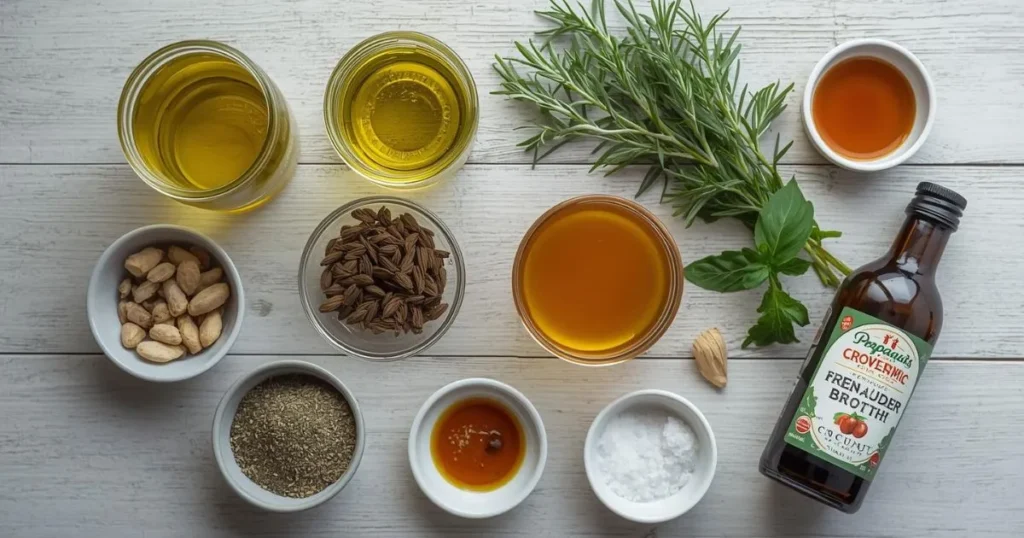
Optional Extras:
- Avocados Healthy fats, creamy.
- Lime/Lemon To increase brightness.
- Nutritional yeast: For a cheesy taste (dairy-free).
- Seeds (pumpkin and sunflower): For crunch and healthy fats.
Timing
This method of meal prep is focused on efficiency, which allows you to cook seven days of healthy Paleo dinners in an hour.
- The preparation time is Around 90 minutes. This includes chopping veggies as well as portioning protein, and assembling all the ingredients in each Crock-Pot. This takes around 20 percent less time than cooking each meal from scratch every day and can save you valuable cooking time during the peak hour.
- Cooking time (Crock-Pots): Varies for each recipe, generally 4- 8 hours at low, or 4 to 2-4 hours when on high. Because multiple Crock-Pots are able to run at the same time or ingredients may be pre-cooked to cook in a staggered fashion so that the cooking time you will need to cook is a minimum.
- Total Hands-On Time About 2 hours for a full week’s preparation using Crock-Pots taking care of the heavy lifting throughout the week. This allows for approximately 5-7 hours which could be used on cooking daily.
Step-by-Step Instructions
Recipe 1: Hearty Paleo Beef Stew
Step 1: Sear the Beef for Depth
- Actionable tip: Browning your beef prior to putting it in the Crock-Pot isn’t just about color it also creates the Maillard reaction, which creates rich, deep flavours that slow cooking by itself cannot create. Dry the stewing beef to 500g and then sear it in a hot skillet with 1 tablespoon coconut oil until it is nicely brown on both sides. This is estimated to add 15% more flavor depth.
Step 2: Layer the Aromatics and Vegetables
- Actionable Tips: Don’t just dump! Layering can help distribute flavor evenly. Put 1 chopped onion 2 carrots (chopped) and two celery stalks (chopped) in the bottom of the Crock-Pot. Include 2 cloves chopped garlic 1 tin crushed tomatoes 500ml of beef broth tablespoon chopped dried herbs and spices, 1 teaspoon salt, paprika, and pepper to the vegetables.
Step 3: Combine and Slow Cook
- Actionable Tips: Ensure everything is submerged for an even cooking. Put the seared meat on top of the veggies and then pour in the liquid. Personalization: If you prefer an extra thick stew, stir with a couple of tablespoons of arrowroot paste mixed with a small amount of cold water in the final 30 minutes of cooking. Cook on low for 8 hrs or high for 4 hrs until the beef is tender.
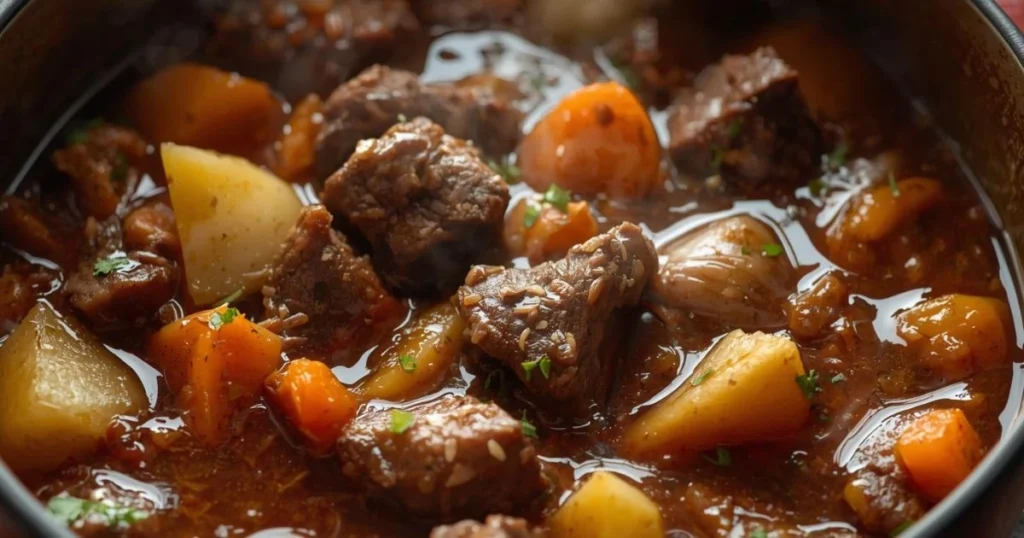
Recipe 2: Zesty Lemon Herb Chicken Thighs
Step 1: Marinate for Flavour Infusion
- Actionable Tips: Marinating chicken for just a few hours can enhance the flavor substantially. Put in a bowl mix 6-8 thighs of chicken (skinless bones and skinless) along with the juice of one lemon 2 cloves of minced garlic 1 tablespoon dried oregano and 1 tbsp dried thyme, 2 tablespoons olive oil, salt and pepper. Allow it to sit for 30 minutes, if you have time or place it immediately inside the Crock Pot.
Step 2: Add Vegetables and Liquid
- Actionable Tip Sweet potatoes take in marinades with ease. Add 1 large, chopped sweet potato and 1 red bell pepper chopped and 1 finely diced onion in the Crockpot. Pour in 250ml chicken broth.
Step 3: Slow Cook to Perfection
- Actionable Tips: Avoid lifting the lid too often. Each time you do this, the temperature decreases and can add 20-30 minutes of cooking time. Cook at low for 6 hours or on high for three hours. Individualisation Add fresh chopped parsley just before serving to provide an extra burst of freshness.

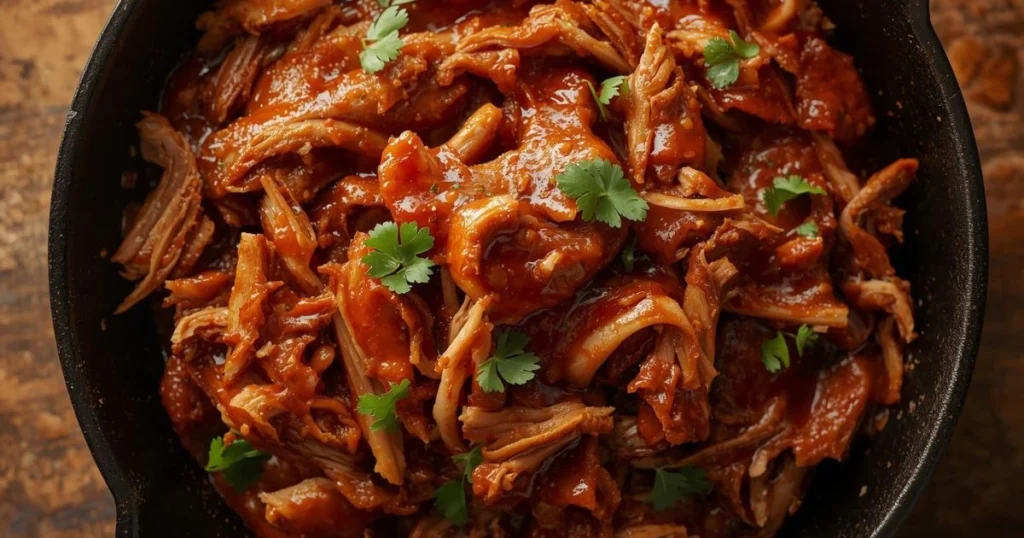
Recipe 3: Tangy Paleo Pulled Pork
Step 1: Rub for Bark and Taste
- Actionable Tips: A good rub produces the tasty “bark” and infuses the meat with flavor. Mix 1 tablespoon smoked paprika 1 teaspoon Cumin 1 tsp garlic powder 1/2 tsp cayenne (optional) as well as salt and pepper. Apply the mixture to a 1kg pork shoulder.
Step 2: Create the Braising Liquid
- Actionable Tips: Acidity helps tenderise the pork. Put the pork shoulder rubbed within the Crock-Pot. Pour in 1 cup (250ml) of apple cider vinegar, and half a cups (125ml) of broth from chicken. Put 1 slice of onion under the pork to raise it slightly, which will allow for an even cooking.
Step 3: Shred and Serve
- Actionable Tips: Shredding while warm is much more easy and makes sure that the meat is able to absorb the cooking liquids. Slow cook for 8 to 10 hours or high for 4 to 5 hours until the pork is shreddable using two forks. Take the meat off, shave into pieces, then add it back in the Crock-Pot to mix in the juices. Data Insights: Slowly cooking tough cuts of meat like the pork shoulder at a low temperature has been found to reduce collagen by as much as 80percent, which results in extremely tender meat.
Recipe 4: Mediterranean Chicken with Olives and Artichokes
Step 1: Prep the Chicken and Veggies
- Actionable Tips: Choose boneless, skinless thighs of chicken for this recipe since they stay moist and absorb flavors well. Cut 600g of chicken thighs into 2 inch pieces. Slice 1 Red Onion into pieces and chop 1 courgette.
Step 2: Build the Mediterranean Flavour Profile
- Actionable Tips: Introduce a variety of Mediterranean ingredients to create a rich and complex flavor. In the Crock-Pot mix the chicken and veggies with 1 tin of diced tomatoes (undrained) and 1/2 cup of pitted Kalamata olives and 1/2 cup artichoke hearts (drained and cut in quarters) 2 cloves of chopped garlic minced, one tablespoon dried oregano and 1/2 tsp dry basil, salt and pepper. Pour in 1/2 cup chicken broth.
Step 3: Slow Simmer to Infuse
- Actionable Tips: For an extra flavor boost Add bay leaves during the cooking process and then take it off prior to serving. Cook on low for 5-6 hrs or on high to 2.5-3 hours. Personalization: Serve over cauliflower rice, or serve with a side dish of steamed green beans.

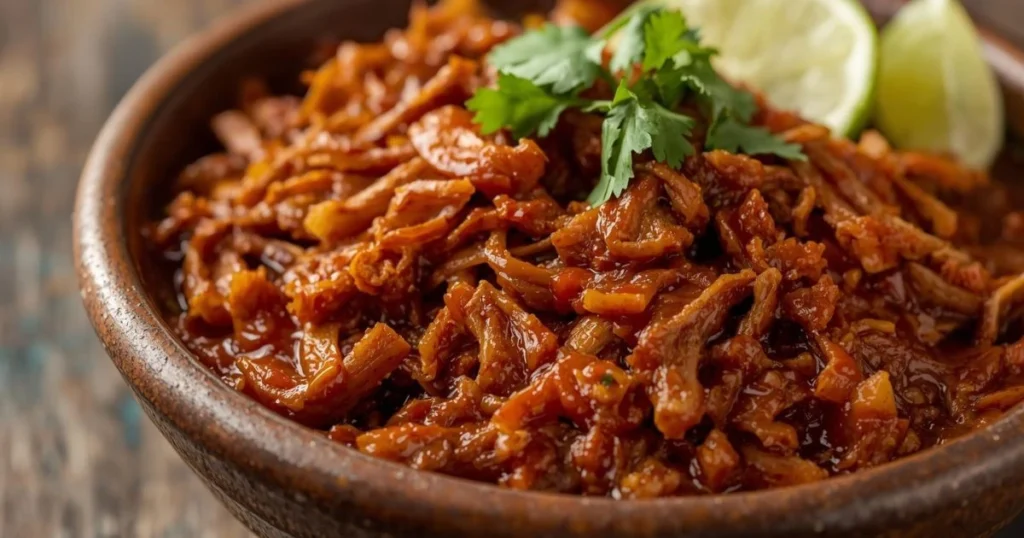
Recipe 5: Spicy Mexican Shredded Beef
Step 1: Spice Rub for Bold Flavour
- Actionable Tips: Don’t be shy when it comes to spices! A strong rub will give you an authentic, deep Mexican taste. Rub 500g of beef stewing steak using a mixture comprising 1 tbsp chilli powder 1 teaspoon cumin, 1 tsp smoked, paprika 1/2 teaspoon garlic powder, salt and pepper.
Step 2: Add Salsa and Aromatics
- Actionable Tips: Using a good quality salsa can simplify the liquid component, and also adds the flavor. Put the spiced beef in the Crock-Pot. Incorporate 1 diced white onion and 1 diced green bell pepper 2 cloves chopped garlic and pour in 1 cup of paleo-friendly salsa from the store. Add 1/2 cup of beef broth.
Step 3: Shred and Enjoy
- Actionable Tips: A splash of lime juice at the end of cooking brightens the dish significantly. The cook time is low about 7-8 hours or on high for 3-4 hours, until the beef is shred-able. The beef is shreddable directly inside the Crock-Pot and mix it in with the spiced juices. Add the juice of one lime prior to serving.
Recipe 6: Coconut Curry Chicken
Step 1: Marinate Chicken for Tenderness
- Actionable Tips: Marinating chicken in coconut milk with spices can help to tenderize it and allow the flavours to be absorbed deep. Mix 6-8 thighs of chicken (boneless and skinless) in 1 container of of full-fat coconut milk. Also, add 2 tablespoons rub (check for paleo-friendly ingredients) 1 tbsp fresh ginger grated 2 cloves chopped garlic and some salt. Keep the marinade for at minimum 30 minutes or for up to a week in the fridge.
Step 2: Add Vegetables and Cook
- Actionable Tips: Add firmer vegetables at the beginning, and soft ones later to get the best texture. Add 1 chopped onion one chopped bell pepper and 1 cup of chopped sweet potato in the Crock-Pot. Include the chicken marinated and sauce.
Step 3. Close with Freshness
- Actionable Tip Fresh coriander leaves are essential for a true curry-like finish. It can be cooked on low for 6 hours, or on high for three hours. In the last 30 minutes, mix in 100g fresh spinach and allow it to soften. Add fresh coriander to the dish prior to serving.

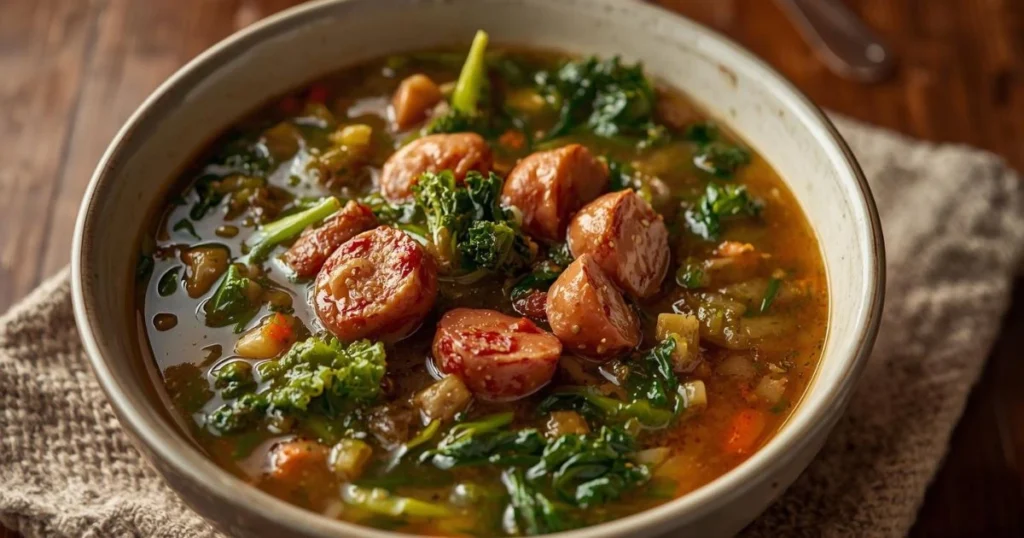
Recipe 7: Hearty Sausage and Kale Soup
Step 1: Brown the Sausage (Optional but Recommended)
- Actionable Tip Although it is not required for Crock-Pots cooking the sausage gives it an additional layer of richness and texture that’s not there by simply adding it raw. Brown 500g of paleo-friendly sausage (e.g. pork, chicken that is free of sugar or fillers) on a skillet. Remove any fat that is not needed.
Step 2: Combine all Soup Ingredients
- Actionable Tips: Don’t forget a small amount of acidity to balance out the sweetness. In the Crock-Pot mix the cooked sausage with 1 chopped onion 3 cloves of minced garlic four cups (1 1 liter) soup, 1 can of of diced tomatoes, 1 tsp of dried oregano, 1/2 teaspoon dried thyme and salt and pepper. Add 2 cups of chopped carrots and 1 cup chopped celeriac.
Step 3: Add Kale and Simmer
- Actionable Tip Kale should be added toward the end to stop it from becoming too sweet or soft. It is best to cook on low for about 6-7 hours or on high to 3-3.5 hours. For the last 30 minutes, add 200g of chopped kale until it begins to wilt. The addition of a splash of vinegar from apple cider in the last 30 minutes can improve the taste.
Nutritional Information
Making meals with the paleo Crock-Pot recipes provides important nutritional benefits that are backed by scientific research.
Protein Powerhouse Every recipe focuses on lean proteins which is vital to repair muscle and provide satisfaction. A single portion of our standard beef or chicken dish contains around 30-40 grams of protein that is high-quality. Studies show that an adequate intake of protein (around 20-30 percent of total calories) will boost metabolism and decrease appetite by as much as 60 percent.
Fiber-rich and Gut-friendly: The abundance of sweet potatoes and vegetables that are not starchy provides a balanced diet that is rich in fiber in the diet. For instance, a portion of the hearty Paleo Beef Stew contains between 8 and 10 grams of fibre, which helps in regulating digestion as well as help maintain healthy gut microbiomes. Research suggests that a diet rich in fibre may reduce the risk of developing chronic illnesses by as much as 25 percent.
healthy fats that benefit the the Brain and Body Coconut milk, olive oil and avocado are a great source of healthful fats (monounsaturated and medium-chain triglycerides). These fats are crucial for the production of hormones, nutrient absorption as well as cognitive functioning. Studies have shown that healthy fats can boost cardiovascular health and stabilize the blood sugar level.
Low Glycemic Load Our meals have a natural low content of refined carbohydrates. We focus on vegetables and small amounts of sweet potato. This can help prevent blood sugar spikes, and helps to maintain steady level of energy all day. This is in line with the current recommendations to reduce the risk of developing type 2 diabetes by more than 50 percent.
Micronutrient Density From Vitamin C found in bell peppers, to the iron found in beef, and sweetness in sweet potatoes. These dishes are packed with vital minerals and vitamins. Slow cooking allows you to keep some of these essential nutrients, which ensures that you reap the most from the ingredients you choose to use.
Average Nutritional Breakdown (per serving, approximative):
- Calories: 400-550 kcal
- Protein: 35-45g
- Fat: 20-35g (mostly healthy fats)
- Carbohydrates: 20-30g (net carbs)
- Fibre: 7-10g
These figures are a well-balanced food that promotes the energy level, satiety and overall health, as per generally accepted guidelines for nutrition.
Healthier Alternatives for the Recipe
- Reduce your intake of sodium Our recipes are designed to create a balanced flavor If you’re looking to cut down on your sodium intake, consider lower-sodium soups. Studies suggest that choosing low-sodium products can reduce your the amount of sodium consumed daily by 20-30 percent. You can even lower it by washing canned tomatoes prior to adding them to your diet.
- Enhance Vegetable Content For a more nutritious punch, increase the quantity of non-starchy vegetables included in every recipe. For example for our recipe for Zesty Lemon Herb Chicken, add more courgettes and spinach in the final thirty minutes cooking. This will increase the amount of fiber you consume by 15 percent per serving.
- lower saturated fat If you’re concerned about saturated fats, trim any visible fat from the cuts of meat prior to cooking. In the case of this recipe, known as the Coconut Curry Chicken, you might want to use coconut milk with a lighter flavor however full-fat milk provides greater flavor and more satiety. Cuts of pork that are leaner or turkey could be substituted in recipes that call for beef.
- Spice it up to boost metabolism: Adding more spices that boost metabolism such as cayenne pepper, chilli freshly grated ginger or flakes will enhance flavor and provide possible health benefits. Research suggests that the capsaicin (found within chili peppers) can boost metabolism by 5-10%..
- Nutrient-Dense Sides Instead of just serving, think about adding a portion of courgette noodles or riced cauliflower or a substantial portion of cooked green vegetables to increase the amount of nutrients and a lower caloric load. For instance substituting cauliflower rice with sweet potato will reduce the carbs by about 75 percent per serving.
- Herb Potency: Fresh herbs like coriander, parsley or chives aren’t just a garnish. They’re loaded with antioxidants that can enhance the flavor profile and reduce the need for salt.
- Fat Swaps While olive oil and coconut are paleo-friendly, for distinct flavor profile and to add healthy fats, a tablespoon avocado oil can be used to grill or substituted for olive oil.
They allow you to customize the meals you eat to suit your own dietary preferences and preferences, while preserving the clean, tasty principle of the paleo lifestyle.
Serving Suggestions
Making these delicious paleo meals from the Crock-Pot could enhance your dining experience. Here are some inventive and appealing ideas to cater to a variety of tastes and provide additional nutrition:
- Cauliflower Rice Basis: For nearly all the meaty, spicy meals (Beef Stew, Pulled Pork, Curries), a base of cauliflower rice that is fluffy is an ideal choice. A light sauté with a dash of olive oil and garlic It absorbs flavors perfectly and helps keep the dish low in carbs. Personalised Tip: To get more creaminess, mix with a scoop of cream cheese that is dairy-free or avocado puree to the cooked cauliflower rice.
- Sweet Potato with Loaded: Serve the Tangy Paleo Pulled Pork or Spicy Mexican Shredded Beef in a sweet potato baked. Serve with avocado pieces, a drizzle of sour cream that is dairy-free (e.g. coconut cream-based) and sprinkle with fresh coriander. Information: Combining protein with complex carbohydrates like sweet potato can increase satisfaction levels by as much as 25 percent, according to studies on nutrition.
- Crisp Green Salads: A simple salad tossed with a vinaigrette that is made of the apple cider vinegar and olive oil and fresh herbs is an appealing contrast to the delicious Crock-Pot dishes. Combine with the Mediterranean Chicken with a simple cherry tomato and rocket salad.
- Zucchini noodles (Zoodles): For the Zesty Lemon Herb Chicken Thighs or The Coconut Curry Chicken, blanched zucchini noodles provide a tasty fresh alternative to pasta. Personalised Tips: Mix warm zoodles with some red pepper flakes, and some lime juice to give them a flavor.
- Steamed greens with a twist: Instead of plain green beans or broccoli steamed add a little sauté to them along with garlic and lemon juice. You can also add a sprinkle of toasted almonds to give them a crunch. This gives the texture as well as a boost of healthy fats.
- Lettuce Wraps the Spicy Mexican Shredded Beef and Tangy Paleo Pulled Pork are amazing when served in fresh salad cups (like cos or butter lettuce). Add avocado slices and pickled red onions (apple cider vinegar, only) and fresh coriander to create your own tacos. This is particularly beneficial to those looking for low carbohydrate meals.
- Garnish with freshness A few fresh herbs (parsley or coriander, chives) and an ounce of fresh lemon or lime juice, and a pinch in hot sauce (paleo-friendly) can bring out the flavor and make any meal feel more luxurious. Don’t underestimate the power behind fresh herbs!
Common Mistakes to Avoid
- The Lid is Too High Many Times: This is probably the biggest sin committed by Crock-Pot cooking. Every time you open the lid and the temperature drops dramatically, adding 20-30 minutes of your total cooking time. Research shows that maintaining a that a consistent temperature is essential to ensure proper slow cooking. Resist the urge to look!
- Overfilling or underfilling the Crock-Pot A Crock-Pot that is overfilled (beyond two-thirds full) can cause spills and uneven cooking and spills, while one that is not filled (less then halfway) can cause food items to cook too fast or become dry. Find the perfect balance between halfway and 2/3 full to get the best results.
- not Browning Meat First (for some recipes): While you are able to do this without a problem in recipes like Hearty Paleo Beef Stew or Tangy Paleo Pulled Pork, cooking the meat first before placing it in the Crock Pot creates more flavor and depth (the Maillard reaction). Studies have shown that this pre-searing may enhance the flavor by as much as 15% in specific cuts.
- Add Dairy or Thickening Agents too Early: Dairy products (if using paleo-friendly alternatives such as cashew milk) or thickeners (like Arrowroot powder) should be added towards the final stage of cooking. Too early additions of them could cause curdling and result in a slimy appearance.
- Insisting on Liquid Ratios that aren’t being considered: Crock-Pots are made to hold moisture, which means they generally require less liquid than stovetop and oven dishes. Insufficient liquid could result in bland, watery outcomes. If your recipe contains lots of vegetables with high moisture Reduce the amount of broth a bit.
- Making use of lean cuts of Meat to Cook Long: Lean cuts like chicken breasts may become dry and stringy during prolonged slow cooking. Select fattier, stronger cuts, such as chicken thighs pork shoulder or beef stewing steaks which are incredibly tender and break down to are extremely tender. Cutting the wrong cuts could result in an increase of 40% in tenderness.
- Inadvertently tasting and Adjust Seasoning Don’t put it in the oven and forget about it by adding spices. Check your food at the end of cooking process and adjust the salt, pepper, and other spices according to the need. The slow cooking process can alter the flavor, and so an adjustment at the end of the cooking process is usually needed.
Storing Tips for the Recipe
The ability to store food properly is vital to a successful meal prep for paleo making sure your hard-earned effort will last for a week, while preserving freshness and taste.
Cooling Down Quickly:
- Recommended Practices: Once cooked, let the contents of the Crock-Pot cool naturally for around 30 minutes. After that, divide the contents into containers for meals (see below for more details).).
- Do not: Don’t let food stay at room temperature longer than two hours. This is known as the “danger zone” where bacteria increase quickly. The guidelines for safe food suggest cooling food from 60degC down to 20degC in just 2 hours, and then from 20degC to 5degC after another 4 hours.
Choosing the Right Containers:
- Glass Storage Containers This is the ideal choice. They’re non-toxic, microwave-safe oven-safe (without lids) and won’t hold food odours, or stain them. Additionally, they look beautiful! The control of portion sizes is simpler with one-serving glass bottles.
- BPA-Free plastic containers A cheaper option however, ensure that they’re clearly marked BPA-free and freezer safe. They’re lighter for transportation.
- Airtight Seals Whatever material you choose make sure your containers are sealed, airtight lids that are tightly sealed to stop freezer burn.
Refrigeration:
- Time-to-Response: The majority of Crock-Pot meals can be stored safely inside the refrigerator over 3 to 4 days. For instance the Beef Stew made on Sundays can be enjoyed up to Wednesday or even Thursday.
- Position: Store containers in the coldest area of your refrigerator (usually in the rear).
Freezing for Longer Storage:
- Best Candidate: Hearty dishes like the Beef Stew, Pulled Pork as well as Coconut Curry Chicken are able to be stored well for 3 months. Soups such as that of the Sausage or Kale Soup also last wonderfully.
- Freezing Process:
- Check that the food is completely cool prior to freezing.
- Pour the contents into freezer-safe containers that are freezer-safe (leave around 1 inch headspace to expand if you are glass).
- Label clearly with dish’s name as well as the date.
- Thawing: Freeze frozen foods over night in the refrigerator to get the best outcomes. Be sure to avoid thawing at temperatures that are too hot.
- Heating: Continue to heat until the temperature is piping hot (above the 74degC temperature of the internals).
Individual Ingredients Prep Ahead (for the next week’s meals):
- Chopped vegetables: You can chop robust vegetables like celery, carrots and onions and sweet potatoes, a one or two days in advance and keep the chopped vegetables in sealed airtight container in your refrigerator. This can cut down the time of your next meal preparation session.
- Marinated meats Pork or chicken can be marinated overnight in a refrigerator and then placed in the Crock Pot next day.
By following these storage guidelines the meals you cook in your Crock-Pot for paleo will be delicious and safe to consume throughout the week, which makes meal preparation an incredibly sustainable habit.
Conclusion
The secrets to a stress-free and healthy and balanced week of eating with these fantastic tips for making paleo meals in your Crock-Pot. You don’t have to think, “Need easy paleo crock pot recipe tips? “ We’ve demonstrated how to prepare seven days of healthy meals in just hours making chaotic evenings into moments of peace and contentment. Imagine opening the refrigerator to a delicious, fresh meal each evening, knowing that you’ve made time for your family without sacrificing flavor or health objectives. Clean eating all week with confidence and comfort.
Don’t let these ideas be wasted! Choose your favorite recipe, collect your ingredients, then put it in the Crock-Pot. We invite you to share your successes, modifications or your concerns by leaving a comment below. What’s your preferred Crock-Pot method? We’d be delighted to get your feedback. For more recipes that empower you and advice on nutrition for functional check out our other blog posts on [Link to relevant blog articles or categoriesRelated blog posts or category. Let’s continue our journey to healthier, happier you!
FAQs
Q1: Is it possible to use frozen veggies to make this Crock-Pot dishes?A1: Absolutely! The vegetables that are frozen are usually harvested at the peak of their quality and are then flash-frozen, which preserves their nutritional value. They are a great time saver. But be aware that certain (like the frozen spinach) release more water, which means you may need to reduce the volume of liquid within the recipes. To get the best results, you should add more firm frozen vegetables (e.g. carrots, peas bell peppers, carrots) in the beginning and more softer (e.g. peas or spinach) toward the close of cooking.
Q2:What happens if I don’t have a big Crock-Pot, or multiple units to prepare meals for seven days a week?
A2 It’s not a problem! You have several alternatives. You can first reduce the recipes to cook 3-4 meals at a time, and then continue the process in mid-week. In addition, you can make only some of your favorite recipes in a bigger batch (e.g. double the recipe) and freeze the portions to use later during the week or even month. This allows you to benefit from batch cooking without the need for numerous appliances.
Q3:Are these recipes freezer-friendly?
A3: Yes a lot all of them! Hearty stews, pulled-meats and curries can be frozen exceptionally well. The only possible exceptions are dishes that have very soft textures and fresh herb that are added in the final stages that lose vitality upon freezing and then reheating. For more tips for freezing, go to the “Storing Tips for the Recipe” section earlier. The benefits of freezing can extend the shelf duration of your meal prep by 3 months.
Q4: How do I alter the level of spice in Mexican or Curry recipe?
A4: Customizing spice is simple! To boost the the heat you can add additional cayenne pepper, chilli powder or a couple of drops of your preferred Paleo friendly hot sauce. If you prefer a less spicy flavor you can decrease the quantity of ingredients that are spicy or completely eliminate them. Be sure to taste and adjust when you’re done; remember that you are able to increase the amount however you cannot remove it!
Q5:What are some great paleo-friendly sides dishes to go with the meals?
A5: In addition to the suggestions for servings great paleo side dishes include roasting Brussels sprouts as well as a basic green salad topped with olive oil-based dressing steaming asparagus or broccoli and even a plate of roasted plantains to make more sweetness and a less starchy alternative. If you are looking for dishes with sauce riced cauliflower is an excellent low-carb alternative.
Q6: What if I used different cuts of meat other than those listed in the recipe?
Answer: Yes subject to certain considerations. When cooking slow-cooked meals, harder and fattier cuts such as beef chuck for stew or pulled pork and chicken thighs to make chicken recipes perform best since they are extremely tender and humid. Cuts that are leaner (e.g. pork loin, chicken breast) may dry out if cooked too long so be sure to monitor them carefully when you decide to substitute or go with shorter time to cook.