
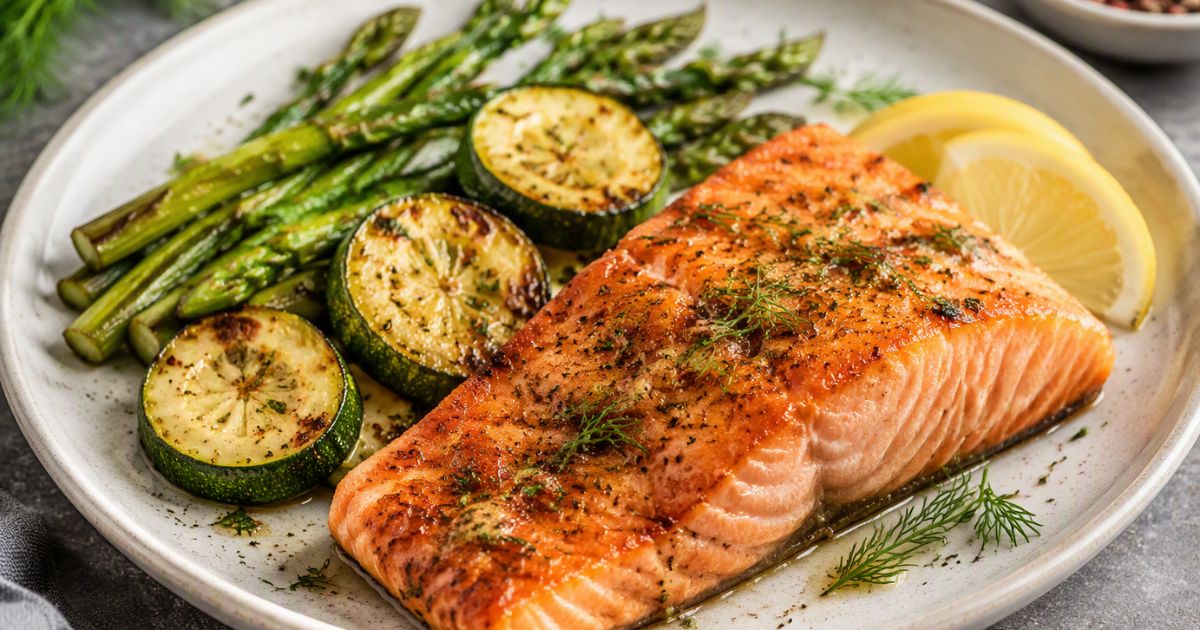
The first time I pan-seared salmon for a keto dinner, I rushed it. Three common mistakes can ruin perfectly crisp skin: starting with a cool pan, failing to dry the fillet thoroughly, and flipping it too soon. I almost gave up on salmon skin entirely. Then a line cook I used to work with told me, “Dry the fish, heat the pan, and don’t touch it.” I tried it that night. The skin shattered like a cracker. That one tip changed how I cook salmon for good, and it’s the backbone of the recipe I’m sharing today.
Looking for more easy keto ideas?
Grab my free eBook (21 Free Keto Recipes) and discover delicious low-carb meals you can make at home!
Why This Salmon Recipe for Keto Diet Actually Works
If you’ve searched for a salmon keto recipe before, you’ve probably run into two problems: recipes that are all theory and no technique or recipes so fussy you need four pans and an hour you don’t have. I’ve cooked salmon several nights a week for years, both for myself and for family who eat low-carb, and the recipe below solves both issues. It’s a single-pan method, it’s naturally keto (no flour, no sugar, no hidden starches), and it leans on real cooking science instead of guesswork, so the skin actually crisps and the inside stays tender instead of chalky and overcooked.
This is a genuinely solid salmon recipe for keto diet followers because it’s built around fat and protein, with almost zero net carbs from the fish itself. The only carbs you’re managing come from whatever vegetables or sauce you pair it with, which I’ve addressed in the variations section below.
Ingredients
Dual measurements are listed so you can cook by weight (more accurate) or by volume, whichever you’re used to.

| Ingredient | Metric | Imperial |
|---|---|---|
| Salmon fillets, skin-on | 4 x 170 g | 4 x 6 oz |
| Avocado oil or ghee | 30 ml | 2 tbsp |
| Unsalted butter | 28 g | 2 tbsp |
| Garlic, minced | 3 cloves | 3 cloves |
| Lemon | 1 medium, zested and sliced | 1 medium, zested and sliced |
| Fresh dill or parsley | 15 g, chopped | 2 tbsp, chopped |
| Sea salt | to taste | to taste |
| Black pepper | to taste | to taste |
Step-by-Step Instructions
This method works whether you’re new to cooking fish or you’ve burned a few fillets before, like I have.

- Dry the fish. Pat each fillet completely dry with paper towels, skin and flesh side. This is the single most important step; any surface moisture will steam the fish instead of searing it, and the skin won’t crisp.
- Season generously. Salt and pepper both sides, and let the fillets sit at room temperature for 10-15 minutes. Salting early draws out a little surface moisture through osmosis, which you then pat away again if needed. This helps the sear even more.
- Heat the pan properly. Use a stainless steel or cast-iron skillet over medium-high heat with the avocado oil. Before adding the fish, let the oil heat until it shimmers and spreads smoothly over the surface of the pan.
- Sear skin-side down. Lay the fillets away from you to avoid splashing, and don’t move them. Press gently with a spatula for the first 10 seconds so the skin makes full contact. Cook undisturbed for 4-5 minutes.
- Flip once. When the skin releases cleanly from the pan on its own, it’s ready to flip. If it resists, give it another 30-60 seconds.
- Baste with butter. Once the pan is hot, add the butter, garlic, and lemon slices. Tilt the pan slightly and spoon the melted butter over the fillets for 1-2 minutes.
- Check doneness. Salmon is done at an internal temperature of 52-54°C (125-130°F) for medium, which keeps it moist. After taking the fish off the heat, it will finish cooking gently on its own.
- Rest and finish. Allow the salmon to rest for 2–3 minutes, then garnish with fresh herbs and lemon zest before serving.
Don’t miss my free eBook (21 Free Keto Recipes) with even more low-carb meals to try!
The Cooking Science Behind Crispy Skin and Tender Flesh
Two things are happening in this recipe that are worth understanding, because they’re the difference between good salmon and great salmon. First, the crisp skin is a product of the Maillard reaction, the browning that happens when proteins and sugars on the surface of the fish are exposed to high, dry heat. Removing excess moisture from the fillet encourages better browning and a more flavorful crust.
Second, salmon’s proteins begin to denature and tighten as they heat, squeezing out moisture. Past a certain internal temperature, that moisture loss accelerates, and the fish turns dry and chalky, which is the most common mistake I see home cooks make with salmon. Pulling the fish at 52-54°C (125-130°F) and letting carryover heat finish the job keeps the proteins from over-tightening.
Nutritional Information (Per Serving)
These are estimates based on standard ingredient values and will vary depending on the exact size of your fillets and how much butter you use. If you’re tracking macros closely, I’d recommend running your specific ingredients through a nutrition calculator.
| Nutrient | Approximate Amount |
|---|---|
| Calories | ~380 kcal |
| Protein | ~34 g |
| Fat | ~26 g |
| Net Carbs | ~1 g |
| Fiber | ~0 g |
Recipe Variations
Cajun Blackened Salmon Keto Style

Swap the garlic-lemon butter for a rub of smoked paprika, cayenne, garlic powder, and onion powder before searing. The spice crust adds flavour without any added carbs, and it pairs well if you want more heat.
Mediterranean Herb Salmon

Finish the dish with a spoonful of dairy-free tapenade (chopped olives, capers, and olive oil) instead of butter for a briny, herby take that’s also dairy-free.
Garlic Parmesan Crust
For a low-carb crust with texture, press a mix of grated Parmesan and crushed pork rinds onto the flesh side before searing flesh-side down first, then flip to finish skin-side down.
Sheet Pan Salmon and Asparagus
For an easier weeknight version, roast the same seasoned salmon at 220°C (425°F) for 10-12 minutes alongside asparagus tossed in olive oil. One pan, minimal cleanup, and it keeps the same macros.
Batch Cooking, Meal Prep, and Storage
Salmon is one of the better proteins for meal prep, as long as you store and reheat it carefully so it doesn’t dry out.
- Batch cooking: This recipe scales easily; just don’t overcrowd the pan, or the fish will steam instead of sear. Cook in batches of 3-4 fillets per pan and keep finished pieces warm in a low oven.
- Refrigerator storage: For best freshness, refrigerate cooked salmon in an airtight container and use it within 3 days.
- Freezer storage: Cooked salmon freezes well for up to 2 months. Wrap fillets individually to prevent freezer burn.
- Reheating: Reheat gently in a covered skillet over low heat or in a 120°C (250°F) oven until just warmed through. Avoid the microwave if you can; it tends to overcook the edges before the centre is warm.
Common Mistakes and How to Fix Them
| Mistake | Fix |
|---|---|
| Skin sticks to the pan | Dry the fish thoroughly, and don’t flip until the skin releases on its own. |
| The fish turns out dry | Pull it at 52-54°C (125-130°F) internal temperature, not fully opaque all the way through. |
| Pale, not browned skin | Increase heat slightly and make sure the pan is fully preheated before adding the fish. |
| Fishy smell or taste | Buy the freshest salmon available and store it properly; a strong smell usually means it’s past its prime |
| Uneven cooking | Bring fillets closer to room temperature before cooking and choose similarly sized pieces |
Frequently Asked Questions
Is salmon good for a keto diet?
Yes. Salmon is naturally low in carbohydrates and high in protein and healthy fats, which makes it one of the most straightforward proteins to build a salmon recipe for keto diet plans around without needing to modify the fish itself.
How many net carbs are in a salmon keto recipe like this one?
The salmon itself contributes close to zero carbs. Net carbs in this dish come almost entirely from the lemon and garlic, which add only a gram or two per serving.
Can I make this salmon keto recipe dairy-free?
Certainly. Additional avocado oil or naturally lactose-free ghee both work well in place of butter for basting.
How do you know when salmon is done if you don’t have a thermometer?
Gently press the thickest part of the fillet with a fork. It should flake easily but still look slightly translucent in the very centre, which means it will finish cooking through as it rests.
Can I use frozen salmon for this recipe?
Yes, as long as it’s fully thawed and patted very dry beforehand. Frozen fillets tend to release more surface moisture, so give them extra time with paper towels before seasoning.
What sides keep this meal keto-friendly?
Roasted asparagus, sautéed spinach, cauliflower rice, or an olive oil–dressed green salad makes flavorful keto sides that won’t significantly increase the carb count.
Salmon has become one of my go-to weeknight proteins precisely because it’s fast, forgiving once you know a few key techniques, and fits so naturally into a low-carb way of eating. I hope this version earns a permanent spot in your dinner rotation the way it has in mine.
