
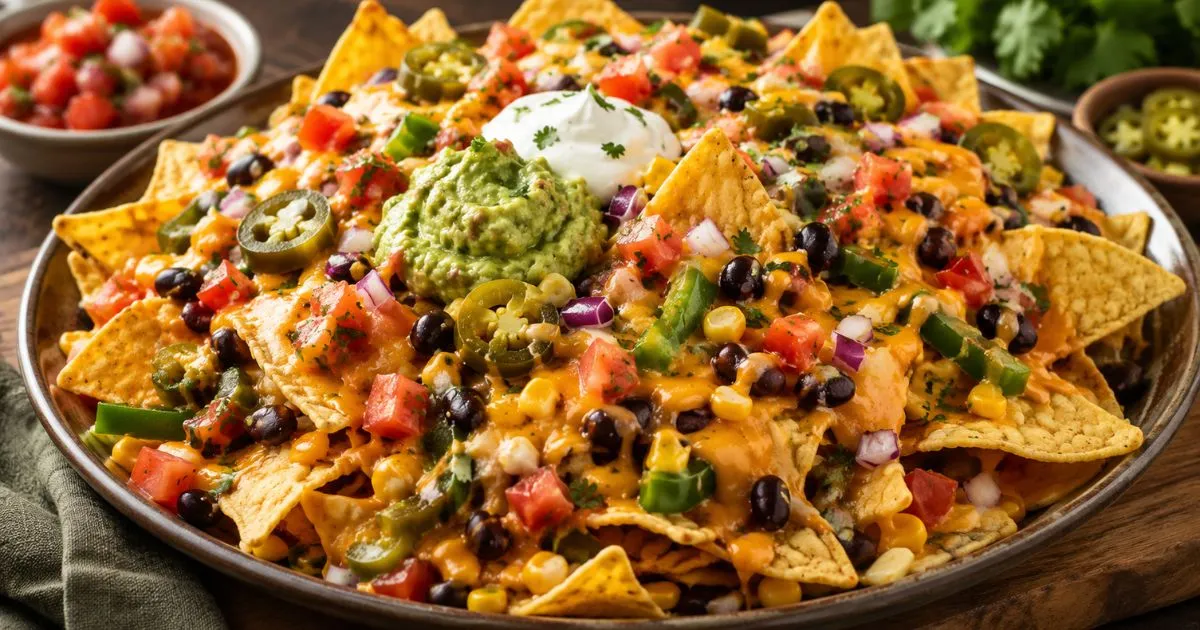
A few years ago, I made vegetarian nachos for a Super Bowl party, and they were, honestly, a disaster. I piled everything on top of a single layer of chips, shoved the whole tray in the oven, and pulled out a soggy, uneven mess, cheesy on top, bone dry underneath, with watery salsa pooling at the base. My friends were kind about it, but I ate my serving with a quiet sense of defeat. That night, I went back to my kitchen and made a second batch just for myself, determined to figure out what went wrong. What I discovered changed everything, and it all came down to layering.
Why Vegetarian Nachos Deserve More Credit
There is a persistent idea that nachos without meat are somehow a lesser version of the real thing. I’ve never believed that, and after years of testing and refining this recipe, I can tell you with complete confidence: a well-built vegetarian nachos recipe is not a compromise; it is a destination. The combination of hearty black beans, roasted vegetables, sharp cheese, and vibrant toppings delivers the kind of bold, satisfying flavor that makes people reach for a second helping before they even finish the first.
Beyond taste, vegetarian nachos are genuinely versatile. They work as a game-day snack, a casual weeknight dinner, a crowd-pleasing appetizer, or even a late-night meal when you want something comforting but not too heavy. And because you control every component, they are endlessly customizable, spicier, creamier, crunchier, or lighter, depending on what your crowd needs.
What Makes a Vegetarian Nachos Recipe Truly Great
I’ve eaten a lot of nachos, from ballpark concession stands to proper restaurant platters, and the difference between good and great always comes down to the same few principles. Let me walk you through the fundamentals before we get into the full recipe.
1. The Layering Method Is Nonnegotiable
The single biggest mistake people make with nachos, vegetarian or otherwise, is treating them like an open-faced sandwich: one layer of chips, toppings piled on top, done. The result is that the chips on the bottom never get cheese, and the ones on top get burnt. Instead, I always build two or three distinct layers: chips, cheese, beans, and vegetables, repeated. This ensures every chip is involved, and nothing gets lost at the bottom of the pan.
2. Manage Your Moisture Carefully
Wet toppings are the enemy of crispy chips. This is where a lot of vegetarian nachos go wrong, especially when using fresh tomatoes, salsa, or sour cream. My rule: anything wet goes on after the oven. The chips and cheese go in hot; the fresh toppings, pico de gallo, sour cream, avocado, and fresh jalapeños go on right before serving. It’s a simple discipline that makes an enormous difference in texture.
3. Roast Your Vegetables First
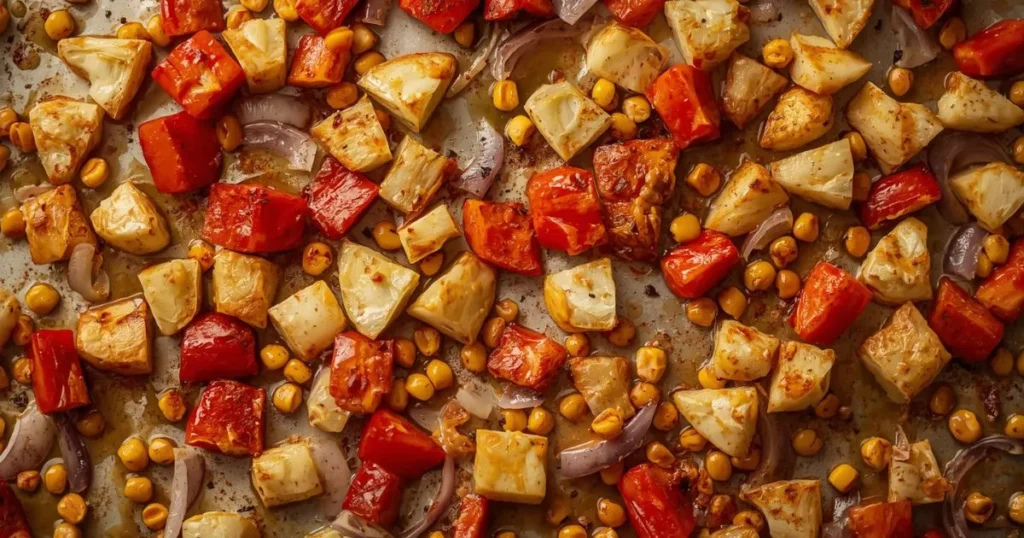
Raw vegetables on nachos release steam in the oven, which softens your chips from below. I always roast my peppers, onions, and corn separately before they go anywhere near the nacho tray. Roasting triggers the Maillard reaction on the vegetable surfaces, that beautiful browning that concentrates flavor and removes excess moisture at the same time. Ten extra minutes of prep, but the payoff is significant.
4. Choose the Right Cheese (and Use Enough of It)
Pre-shredded cheese often contains anti-caking ingredients that can interfere with achieving a smooth, creamy melt. For the best results, I prefer buying cheese in blocks and shredding it fresh at home. My favorite cheese combination for vegetarian nachos is sharp cheddar and Monterey Jack. The cheddar adds rich flavor and vibrant color, while the Monterey Jack creates that irresistible gooey, stretchy texture. Don’t be afraid to use a generous amount; when it comes to nachos, cheese is one ingredient worth being generous with.
The Ultimate Vegetarian Nachos Recipe
This is the version I come back to again and again. It feeds four people generously as a main dish or six to eight as an appetizer. The active prep time is about 20 minutes, and the oven does the rest.
Ingredients
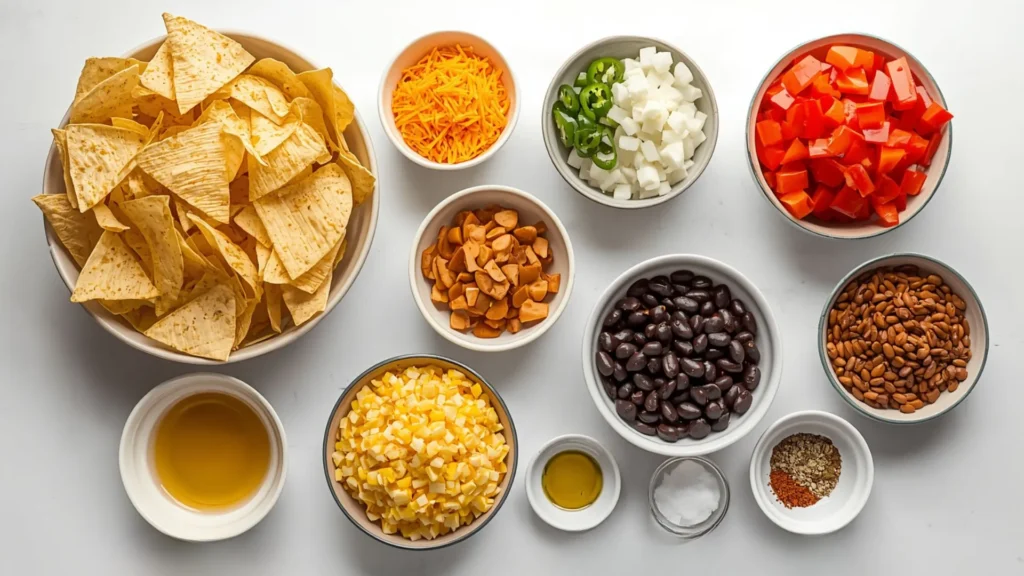
- 1 large bag (about 350g / 12 oz) sturdy tortilla chips; restaurant-style or thick-cut; avoid thin chips that break under toppings
- 2 cups (225g) sharp cheddar cheese, freshly grated
- 1 cup (115g) Monterey Jack cheese, freshly grated
- 1 can (400g / 15 oz) black beans, drained and rinsed
- 1 can (400g / 15 oz) pinto beans, drained and rinsed; optional, but adds heartiness
- 1 large red bell pepper, diced
- 1 medium yellow onion, diced
- 1 cup (150g) corn kernels: fresh, frozen (thawed), or canned (drained)
- 1 jalapeño, thinly sliced; for baking-in heat, add more fresh for topping
- 2 tablespoons olive oil
- 1 teaspoon ground cumin
- 1 teaspoon smoked paprika
- ½ teaspoon garlic powder
- Salt and black pepper to taste
For Serving (Fresh Toppings; Add After Baking)
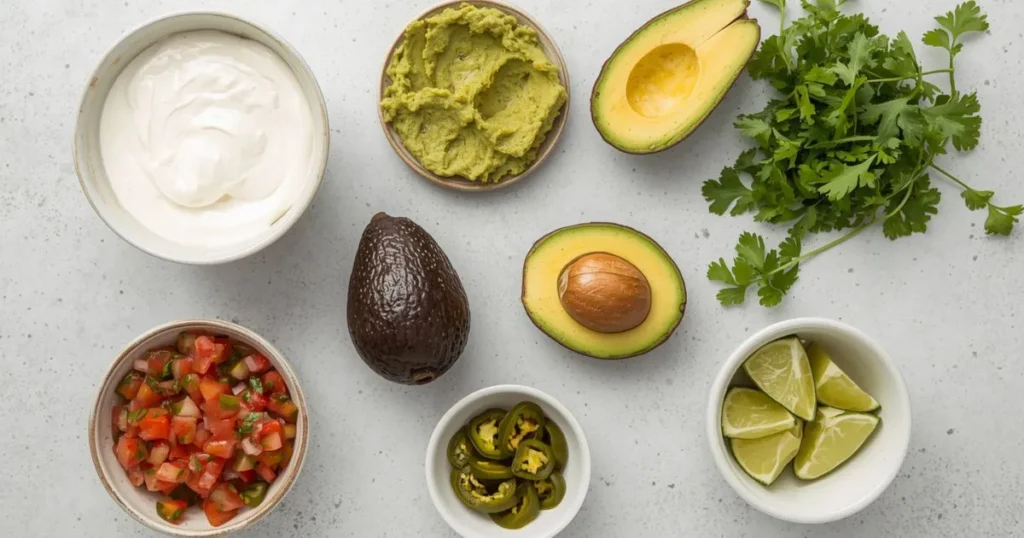
- Sour cream or Mexican crema
- Fresh pico de gallo or good-quality salsa
- 1–2 ripe avocados, sliced or mashed into guacamole
- Fresh cilantro, roughly chopped
- Pickled jalapeños
- 1 lime, cut into wedges
- Hot sauce of your choice
Instructions
Step 1: Preheat and prep. Preheat your oven to 200°C / 400°F. Line a large, rimmed baking sheet (or two, if you have them) with foil for easy cleanup. The larger the surface area, the better; overcrowded nachos steam instead of crisp.
Step 2: Roast the vegetables. Toss the diced red pepper, onion, and corn kernels with the olive oil, cumin, smoked paprika, garlic powder, salt, and pepper. Spread in a single layer on a separate baking sheet and roast for 15–18 minutes, until the edges are starting to caramelize. Remove from the oven and set aside. This step can be done up to a day ahead.
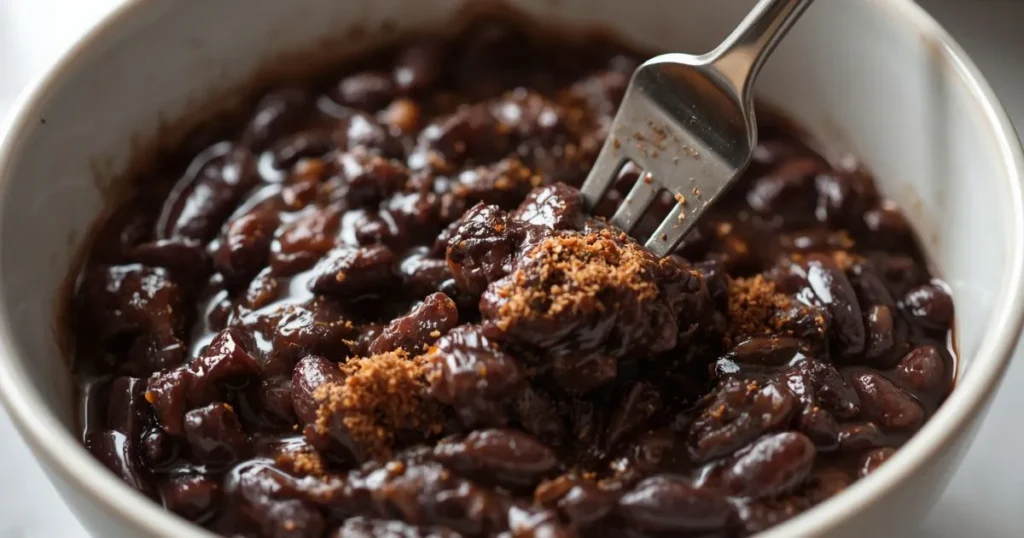
Step 3: Season the beans. In a small bowl, lightly mash about a quarter of the black beans with a fork. This gives the beans a better grip on the chips and a creamier texture throughout. Stir in a pinch of cumin and salt.
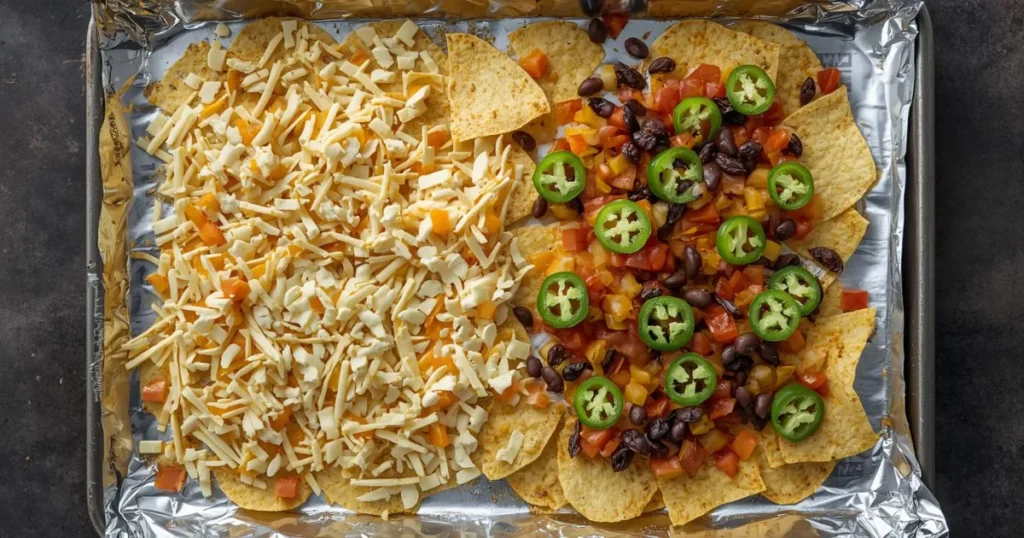
Step 4: Build the first layer. Spread half the tortilla chips in a single (slightly overlapping) layer on your foil-lined baking sheet. Scatter half the cheese over the chips, making sure every chip gets some coverage. Spoon over half the roasted vegetables, half the beans, and half the sliced jalapeño.
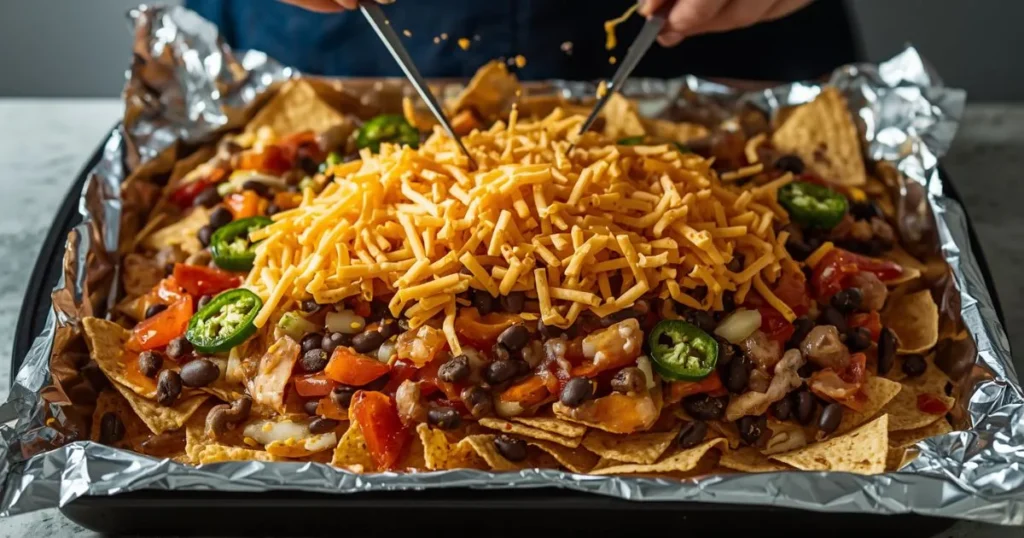
Step 5: Build the second layer. Repeat with the remaining chips, cheese, vegetables, beans, and jalapeño slices. Finish with a final generous scatter of cheese on the very top; this is what gives you that golden, bubbly crown that everyone wants.
Step 6: Bake. Transfer to the oven and bake for 12–15 minutes, until the cheese is fully melted, bubbling, and starting to turn golden at the edges. Check at the 10-minute mark; oven temperatures vary, and you want melted and golden, not burnt.

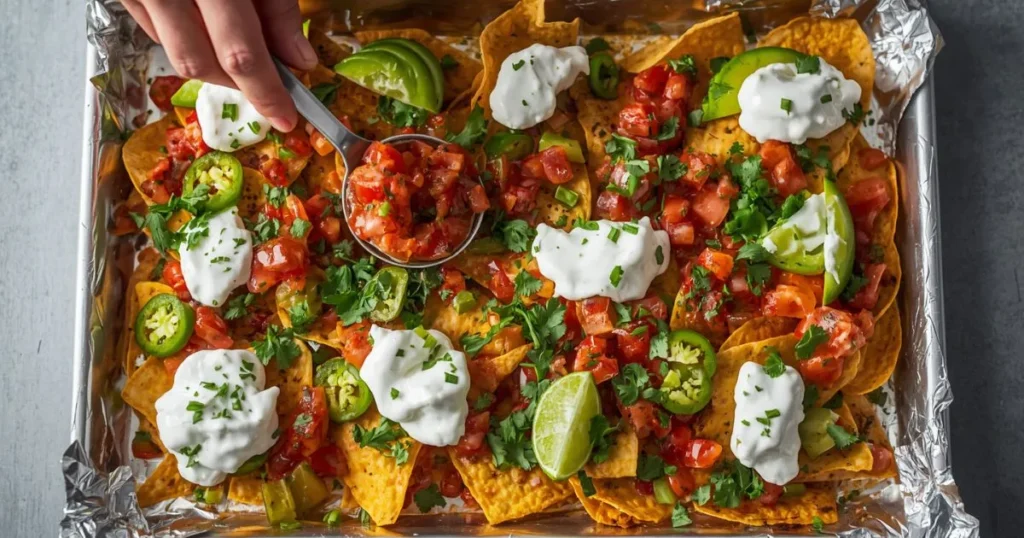
Step 7: Add fresh toppings and serve immediately. Pull the tray from the oven and immediately add your fresh toppings: dollops of sour cream, spoonfuls of pico de gallo, slices of avocado, fresh cilantro, pickled jalapeños, and a squeeze of lime over everything. Serve directly from the tray; nachos wait for no one.
Nutritional Overview
The exact nutritional content of this vegetarian nachos recipe will vary based on portion size, specific brands, and the toppings you choose. The table below offers a general estimate for a main-course serving (roughly one-quarter of the full tray, with standard toppings).
| Nutrient | Approximate Amount (per serving) |
|---|---|
| Calories | 520–600 kcal |
| Protein | 22–28g |
| Carbohydrates | 55–65 g |
| Fat | 24–30g |
| Fiber | 10–14g |
Black beans are among the most protein-dense plant foods available; a single cup provides roughly 15 grams of protein alongside significant amounts of fiber and iron. Combined with the protein from the cheese, these vegetarian nachos are genuinely filling.
Variations and Customizations
One of the things I love most about this recipe is how adaptable it is. Here are a few variations I’ve made and tested in my own kitchen:
Make It Vegan
Swap the dairy cheese for a good-quality vegan melting cheese; brands like Violife or Follow Your Heart perform well in the oven. Replace sour cream with cashew cream or a coconut-based alternative. Everything else in the recipe is already plant-based.
Add Some Heat
If your crowd loves spice, stir a tablespoon of chipotle peppers in adobo sauce into the beans before layering. Chipotle brings a smoky, deep heat that is more complex and interesting than straight chili flakes. I’ve found it pairs especially well with the sweetness of the roasted corn.
Sweet Potato Nachos
Roasted sweet potato cubes make an exceptional addition to vegetarian nachos; the natural sweetness plays beautifully against the salty cheese and tangy toppings. Dice one medium sweet potato into small cubes, roast alongside the peppers and onion, and layer in as you would any other vegetable.
Lighter Version
For a slightly lighter take, use baked tortilla chips, reduce the cheese by about a third, and pile on extra roasted vegetables. A yogurt-based topping in place of sour cream also cuts calories while maintaining the creamy contrast you want.
Make-Ahead and Storage Tips
Nachos are at their absolute best the moment they come out of the oven; the chips are crispy, the cheese is molten, and the contrast between the hot base and cool fresh toppings is at its peak. That said, here is how to get ahead of the work:
- Roast the vegetables up to 24 hours ahead and store in a covered container in the fridge. Bring to room temperature before layering.
- Grate the cheese in advance and store it in an airtight bag in the fridge for up to three days.
- Prep your fresh toppings (dice the pico, mash the guac, slice the limes) while the nachos are in the oven so you can finish and serve without delay.
- Leftover nachos can be stored in the fridge for one day, but I’ll be honest with you: they will be soft. The best way to revive them is in an air fryer at 175°C / 350°F for 4–5 minutes, which can restore some of the chip texture that the fridge takes away.
Common Mistakes to Avoid
I’ve made every one of these errors at some point, so consider this the hard-won version of the advice:
- Using thin or delicate chips. Thin chips buckle under the weight of beans and cheese. Choose a thick, sturdy chip built for heavy toppings.
- Adding wet toppings before baking. Sour cream, fresh salsa, and avocado go on after the oven, always. Heat destroys their texture and makes your chips soggy.
- Not using enough cheese. Cheese is the glue that holds nachos together. Be generous. You can always use less next time once you know what works.
- Overcrowding the tray. A too-thick pile of chips means the bottom layer never crisps and the middle layer never gets cheese. Use two trays if necessary.
- Skipping the beans. Beans are what make vegetarian nachos genuinely filling. They also provide the protein and fiber that make this a complete meal rather than just a snack.
Frequently Asked Questions
Can I make vegetarian nachos in an air fryer?
Yes, and I actually really like this method for smaller batches. Layer the chips and toppings in your air fryer basket in a single, slightly overlapping layer; you may need to work in batches. Cook at 175°C / 350°F for 5–7 minutes until the cheese is melted and the edges are golden. Add fresh toppings as normal before serving.
What are the best chips for vegetarian nachos?
I prefer restaurant-style or cantina-style tortilla chips; they are thicker, more structurally sound, and hold up well under heavy toppings without going soft. In my experience, the generic supermarket thin chips start breaking down within minutes of being topped, which makes eating them frustrating.
How do I keep vegetarian nachos from getting soggy?
Three things: roast your vegetables before layering (this removes excess moisture), never add wet toppings like salsa or sour cream before baking, and serve immediately after removing from the oven. Every minute nachos sit after baking, steam trapped inside the pile is softening your chips.
Are vegetarian nachos healthy?
They can absolutely be part of a balanced diet. The black beans provide plant-based protein and fiber; the roasted vegetables add micronutrients; the cheese contributes calcium and fat-soluble vitamins. If you are watching calories, use fewer chips, reduce the cheese slightly, and load up on extra vegetables and a yogurt-based topping instead of sour cream.
What can I use instead of cheese for vegan nachos?
A good-quality vegan melting cheese is the most straightforward swap. Beyond that, some people use a cashew-based queso sauce, blending soaked cashews with nutritional yeast, lime juice, garlic, and a little jalapeño, which melts beautifully over the chips and tastes genuinely great. It has become one of my favorite versions of the dish.
Can I use canned corn for this recipe?
Absolutely. Drain and rinse the canned corn thoroughly, then pat it dry before roasting. Canned corn has a slightly softer texture than fresh, but roasting concentrates its flavor and removes the excess moisture; the results are excellent. Frozen corn, thawed and patted dry, works equally well.
The Final Word on Vegetarian Nachos
The best vegetarian nachos are not a compromise or an afterthought; they are the result of a few deliberate choices made at each stage of the process. Roast your vegetables. Layer your chips. Grate your own cheese. Save the fresh toppings for after the oven. Get those details right and you will have a tray of nachos that disappears faster than you expected, regardless of whether anyone at the table considers themselves a vegetarian.
I’ve served this recipe to confirmed meat-eaters who went back for seconds without commenting on what was missing. That, to me, is the best possible endorsement a vegetarian nachos recipe can earn.
